Chưa có sản phẩm trong giỏ hàng.

 English
public
Understanding the psychological triggers that fuel gambling behaviors
Understanding the psychological triggers that fuel gambling behaviors
The Nature of Gambling Addiction
Gambling addiction is a complex psychological phenomenon that affects individuals across various demographics. At its core, it often stems from an intrinsic desire for excitement and the thrill of risk-taking. The anticipation and adrenaline rush associated with gambling can create a powerful compulsion to continue betting. This cycle can lead to significant emotional and financial distress for individuals, as they chase the euphoric highs that come with winning, often neglecting the detrimental effects on their lives. Many players turn to reputable platforms, such as https://glitter-bingo-casino.co.uk/, which offer vibrant experiences and the allure of potential rewards.
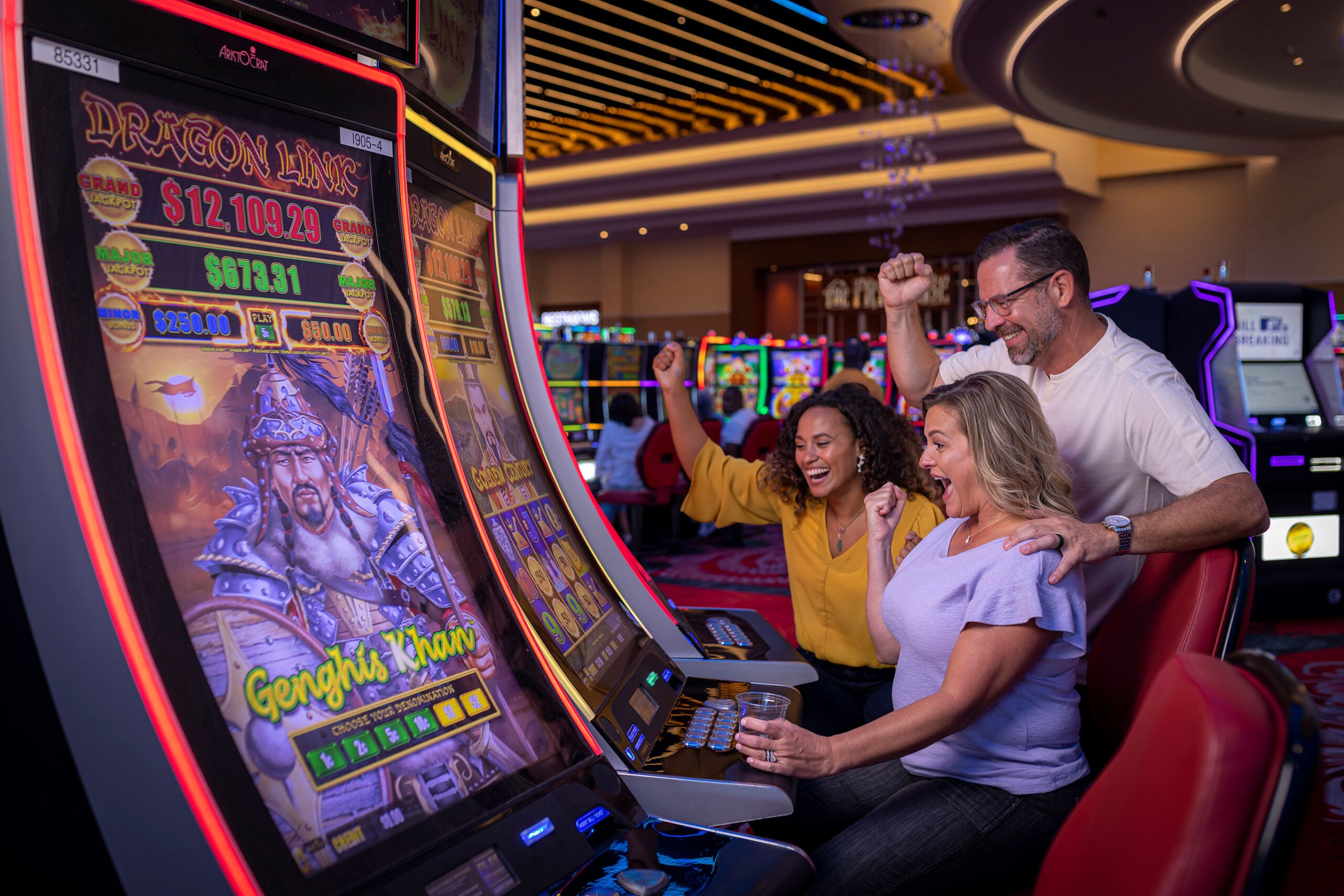
Psychologically, many individuals who gamble may experience a form of escapism. The act of gambling can provide a temporary relief from stressors in their daily lives, allowing them to immerse themselves in a fantasy world. This escape can become increasingly addictive as individuals find themselves drawn back to the gaming tables or machines, seeking solace in the thrill. It creates a vicious cycle where short-term relief turns into long-term challenges, impacting relationships and mental health.
Furthermore, the illusion of control plays a significant role in gambling behaviors. Gamblers often believe they can influence outcomes through strategies or skill, despite the inherent randomness of games of chance. This cognitive distortion can lead individuals to underestimate the risks involved and overestimate their chances of winning, further fueling their gambling addiction. Understanding these psychological aspects is critical in addressing and mitigating gambling behaviors.
The Role of Reward Mechanisms
Reward mechanisms in the brain are fundamental in understanding why gambling is so captivating. When a person wins, their brain releases dopamine, a neurotransmitter associated with pleasure and reward. This chemical response reinforces the behavior, making it more likely that they will gamble again in the future. Consequently, the brain forms a strong association between gambling and reward, creating a powerful motivation to continue despite negative consequences.
This response can often lead to a phenomenon known as the “near-miss effect,” where gamblers experience an almost win. This illusion of being close to winning can amplify their desire to continue gambling, as they feel that victory is just within reach. This psychological trigger is particularly evident in games such as slots or bingo, where players may believe that changing their strategy or betting slightly more could lead to success, reinforcing their ongoing engagement with gambling activities.
Moreover, the unpredictable nature of gambling outcomes heightens excitement. When gamblers face uncertainty, their brains are more engaged, leading to increased arousal levels. This unpredictability mirrors other addictive behaviors and contributes to the relentless pursuit of the next win. Recognizing the role of these reward mechanisms can help in developing effective interventions for individuals struggling with gambling behaviors.
The Social Environment and Peer Influence
The social environment significantly influences gambling behaviors, as peer pressure can often drive individuals to gamble. Many people are introduced to gambling through friends or family members, and the social aspect can make it more appealing. Shared experiences, such as attending a casino or participating in a poker night, can reinforce the idea that gambling is a normal and exciting activity, leading to habitual participation.
Moreover, social networks can exacerbate gambling addiction. Individuals may feel compelled to keep up with their peers, especially if they witness their friends winning or enjoying themselves while gambling. This can lead to competitive gambling behaviors, where individuals bet more than they can afford in an attempt to not be left out or to prove their worth within their social circle. Such dynamics can create a dangerous environment where risky behaviors are normalized.
The use of social media further intensifies this issue, as platforms often glorify gambling culture. Influencers and advertisements can glamorize gambling, making it seem like a harmless form of entertainment. This representation can mislead individuals, especially younger ones, into believing that gambling is a pathway to excitement and financial gain. Understanding the social pressures surrounding gambling is crucial for addressing and preventing problematic gambling behaviors.
The Impact of Emotional States
Emotions play a pivotal role in influencing gambling behaviors. Individuals often turn to gambling as a coping mechanism to handle stress, anxiety, or depression. The immediate escape that gambling offers can provide a temporary distraction from negative feelings, but it can also result in a detrimental cycle of emotional distress and compulsive behavior. The momentary highs from gambling can lead to lows that encourage further gambling as a way to regain control over one’s emotional state.
Research indicates that certain emotional states, such as boredom or loneliness, can trigger an urge to gamble. When individuals feel disconnected or unfulfilled, they may seek out gambling as a form of entertainment or engagement. This can be particularly true for online gambling, where the accessibility and anonymity provide a means for individuals to fill emotional voids. However, this behavior can quickly escalate, as the temporary relief often leads to deeper emotional issues and further gambling.
Additionally, the psychological concept of loss aversion can contribute to compulsive gambling. People often experience a more intense reaction to losses than to equivalent gains. This aversion can lead them to gamble more in an attempt to recover losses, further entrenching them in problematic behavior. Understanding these emotional triggers can help identify individuals at risk for gambling addiction and provide necessary support to address these challenges.

Gambling and Online Communities
Online gambling platforms, such as Glitter Bingo Casino, create unique environments that amplify the psychological triggers associated with gambling behaviors. These platforms are designed to be engaging and visually appealing, attracting players with vibrant graphics and enticing promotions. The ease of access to online gambling can significantly increase the likelihood of problematic gambling behaviors as individuals can gamble at any time and from any location.
Moreover, online communities often foster a sense of belonging among players. Forums and chat rooms allow individuals to share experiences and celebrate wins, reinforcing the social aspects of gambling. However, this can also create echo chambers where risky behaviors are normalized, making it difficult for individuals to recognize the negative impacts of their gambling. The supportive online environment may unintentionally encourage excessive gambling, further complicating the issue.
Importantly, sites that prioritize user satisfaction, like Glitter Bingo Casino, often promote responsible gambling through educational resources and tools. By understanding the psychological triggers that fuel gambling behaviors, these platforms can implement strategies to help users recognize their limits and engage in healthier gambling practices. This proactive approach can mitigate the risks associated with online gambling and support players in maintaining a balanced relationship with gaming.
